How Blind Belief Divides Society and Fuels Violence
Insights in simple English from Osho, J. Krishnamurti, Acharya Prashant, Socrates, Nietzsche, and the Buddha—on superstition, identity, and the courage to question.
Introduction
Blind belief, whether in religion, politics, or ideology, has been one of the strongest forces dividing humanity. Osho often said that the problem is not belief itself but the blindness in it — the unquestioning acceptance without personal understanding. When a person follows a belief only because they were born into it, taught it in childhood, or pressured by society, they stop seeing reality as it is; they start seeing only through the filter of their conditioning.
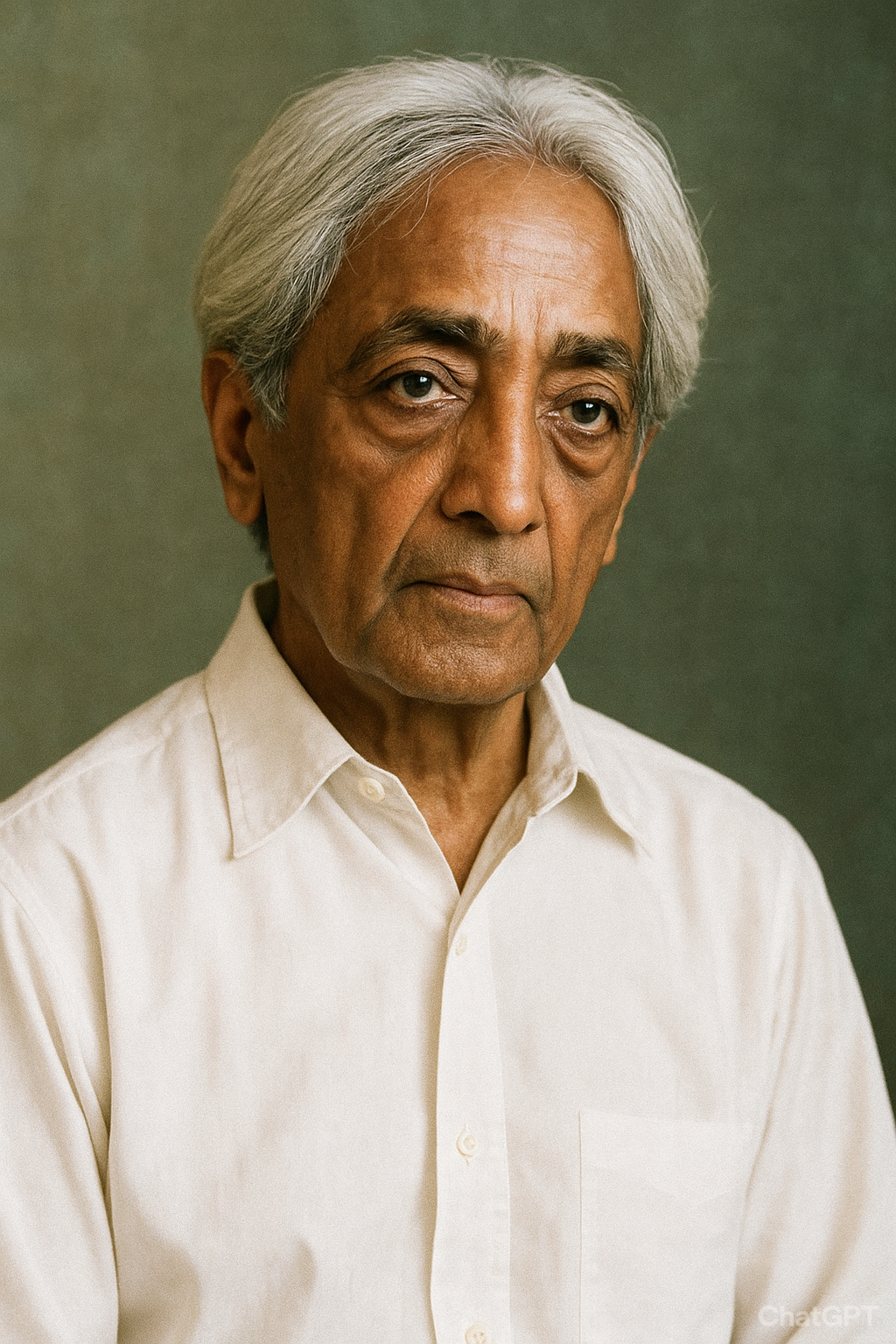
“When you call yourself an Indian or a Muslim or a Christian or a European, you are being violent.” — J. Krishnamurti
His point is clear — the very act of identifying too strongly with a group creates an “us” and a “them.” Once that division is created in the mind, it soon appears in society. Today’s world gives many examples: sectarian violence in the Middle East, religious riots in India, racial and ideological conflicts in America, and the rise of extremist groups worldwide — all fed by blind belief and the fear of questioning it.
Blind Belief as a Comfortable Prison
Acharya Prashant often speaks about how blind belief works like a comfortable prison. People do not want to leave because the walls are decorated with cultural pride, family traditions, and a feeling of belonging. But the price of this comfort is truth.
- Questioners are punished: Honest questions are seen as attacks.
- Identity at stake: When belief defines identity, doubt feels like death.
- Headlines prove it: Lynching on rumours of blasphemy; villages burned; leaders using faith to divide voters.
The root cause is the same: people hold beliefs they never investigated for themselves, then defend them with aggression because their identity depends on it.
Real Religion vs. Obedience
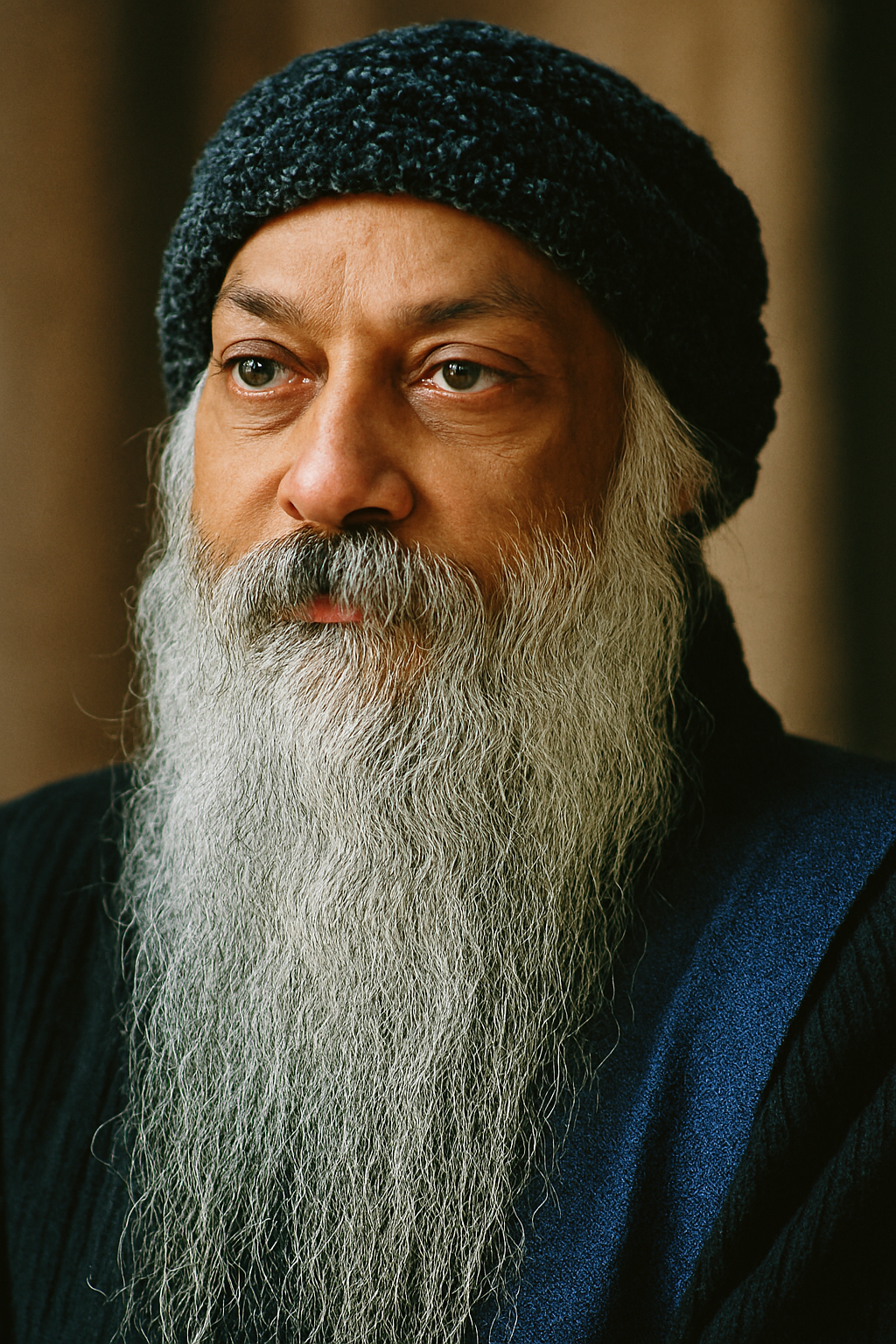
Osho explained that real religion is not about following a scripture or a leader blindly; it is about awakening your own intelligence. He compared blind belief to wearing someone else’s glasses — you may see something, but it is never clear, never truly yours.
“Faith means not wanting to know what is true.” — Friedrich Nietzsche
True spirituality encourages questioning. The Buddha told his followers not to believe even his words unless they experienced the truth themselves. Blind belief removes this questioning spirit and replaces it with obedience.
Authority in Matters of the Soul
Krishnamurti warned that when you follow a guru, priest, or scripture without questioning, you are no longer free — you are a slave to an idea. And slavery creates conflict because there will always be another group with a different master, a different book, or a different ritual.
- History’s lesson: The Crusades, the Inquisition, the Partition of India — all justified in the name of God.
- Today’s mirror: Online hate campaigns, targeted killings, extremist recruitment: “our belief is pure, theirs is false.”
- Metaphor: Blind belief is a matchstick in a dry forest — one spark, and destruction spreads.
Why Easy Answers Spread
Acharya Prashant points out that superstition and blind faith survive because they give easy answers to life’s hard questions.
- “Why am I suffering?” — past-life karma, some say.
- “Why is there a flood?” — the gods are angry, others claim.
- Result: No thinking, no research, no self-reflection — and no truth.
These shortcuts make people easy to manipulate. Political leaders, fake godmen, even social media influencers use this weakness to control crowds. We see this in modern events — from cult members giving away all their wealth to doomsday leaders to voters supporting harsh laws “to protect faith.”
The Unexamined Life
“An unexamined life is not worth living.” — Socrates
Blind belief discourages examination because it fears cracks in the foundation. That is why authoritarian regimes and religious extremists fear education, open debate, and free media. In recent years, we have seen books censored, movies banned, and journalists arrested for “hurting religious sentiments.” These actions don’t protect truth; they protect control.
Antidote: Awareness & Freedom from the Known
Osho suggested that the antidote to blind belief is awareness — seeing reality without the dust of conditioning. It does not mean rejecting all traditions; it means looking with fresh eyes, keeping only what is true in direct experience. Krishnamurti called this freedom from the known — the courage to stand without the crutches of ideology.
Keep & Question
- Keep: Practices that bring clarity, compassion, and responsibility.
- Question: Anything that demands obedience without understanding.
- Drop: Rituals that breed fear, hate, or superiority.
History shows it is the ones who stood alone — Socrates, Galileo, Kabir, Nanak, Christ — who brought real change.
Invisible Walls & Real Violence
The tragedy is that most people do not realize they are trapped. They think they defend truth, but they defend a borrowed opinion. Blind belief acts like a wall in the mind, blocking the light of inquiry. When enough minds are walled, society becomes a maze of isolated groups — suspicious and hostile. Division inside becomes violence outside.
Toward a Wiser Society
The solution is not to replace one belief with another, but to awaken the mind so it no longer clings blindly to any.
- Personal practice: Daily moments of silent observation; note beliefs that operate by fear.
- Family & schools: Encourage questions, not memorized answers.
- Media literacy: Verify before sharing; beware of outrage merchants.
- Civic courage: Defend the right to question — even when you disagree.
“Truth is not an inheritance; it is a discovery.” — Acharya Prashant
With courage, patience, and honesty, we can write a different story — where diversity is not a threat, questions are not crimes, and faith is not blindness but a living, conscious flame.
Key Takeaways (Quick Points)
- Blind belief creates mental borders that become social division.
- Authority without inquiry breeds fear, obedience, and violence.
- Easy answers are seductive but block truth and enable manipulation.
- Awareness and honest questioning are the antidotes.
- Protect the right to question — it protects society from fanaticism.